

Comprehensive Guide to Building a House: Navigating the House Building Process with Confidence
- webmaster3336

- Mar 16
- 5 min read
Building a house is one of the most exciting and rewarding projects you can undertake. It’s a chance to create a space that perfectly fits your lifestyle, tastes, and needs. But let’s be honest - it can also feel overwhelming. From choosing the right location to picking finishes, there are so many decisions to make. Don’t worry though, I’m here to walk you through the entire house building process with warmth and clarity. Together, we’ll break it down step by step so you can feel confident and excited every step of the way.
Understanding the House Building Process: What to Expect
Before you dive in, it’s important to understand the overall flow of building a custom home. The house building process typically unfolds in several key stages:
Planning and Design
This is where your vision starts to take shape. You’ll work with architects or designers to create blueprints that reflect your style and needs. Think about how many bedrooms you want, the layout of your kitchen, and how indoor and outdoor spaces will connect.
Permits and Approvals
Every area has its own rules about construction. You’ll need to secure permits from local authorities to ensure your project complies with zoning laws and building codes.
Site Preparation and Foundation
Once permits are in place, the land is prepared. This includes clearing, leveling, and laying the foundation. The foundation is critical because it supports the entire structure.
Framing and Exterior Work
The skeleton of your home goes up next. Walls, roof trusses, and exterior sheathing create the basic shape. Windows and doors are installed, and the roof is covered.
Systems Installation
Plumbing, electrical wiring, and HVAC systems are installed inside the walls and ceilings. This stage requires skilled tradespeople to ensure everything is safe and efficient.
Interior Finishes
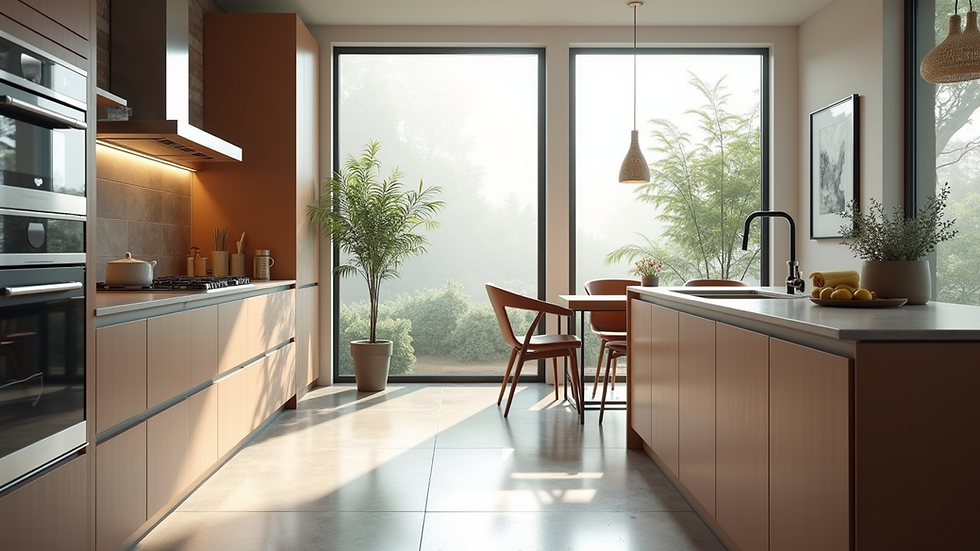
Drywall goes up, floors are installed, and cabinets, countertops, and fixtures are added. This is where your home really starts to feel like yours.
Final Inspections and Walkthrough
Before you move in, inspectors will check that everything meets code. You’ll also do a final walkthrough to note any last adjustments.
Move-In and Enjoyment
The best part! Time to settle into your new home and enjoy the space you’ve created.
Each step requires attention and care, but with the right team and a clear plan, it’s absolutely manageable. If you want a detailed breakdown, check out this step by step guide to building a house.

What Salary Do You Need for a $400,000 House?
One of the first questions many people ask is about affordability. How much income do you need to comfortably afford a $400,000 home? While this depends on many factors like down payment, interest rates, and other debts, here’s a general idea.
Lenders typically recommend that your monthly housing costs (including mortgage, taxes, and insurance) should not exceed 28% to 31% of your gross monthly income. For a $400,000 home, assuming a 20% down payment and a 30-year fixed mortgage at around 6% interest, your monthly mortgage payment might be roughly $1,900 to $2,100.
To comfortably afford this, your gross monthly income should be around $6,000 to $7,000, which translates to an annual salary of approximately $72,000 to $84,000. Keep in mind, this is a rough estimate and your personal financial situation, credit score, and local property taxes will influence the exact numbers.
It’s always a good idea to consult with a mortgage professional early in the process. They can help you understand what you qualify for and how to budget wisely.
Choosing the Right Location: Charleston and Lake Murray Areas
Location is everything when building a home. The Charleston and Lake Murray areas offer unique benefits that make them fantastic places to build.
Charleston is known for its charming historic districts, vibrant culture, and beautiful coastal scenery. Building here means you can enjoy a blend of urban amenities and outdoor lifestyle. Imagine weekend strolls through cobblestone streets or relaxing on nearby beaches.
Lake Murray offers a more tranquil, nature-focused setting. It’s perfect if you want a peaceful retreat with water activities like boating and fishing right at your doorstep. The area is growing, but still maintains a close-knit community feel.
When choosing your lot, consider factors like proximity to work, schools, and local services. Also, think about the orientation of the home on the lot to maximize natural light and outdoor views.

Designing Your Dream Home: Tips for Customization
Designing a custom home is your chance to create a space that truly reflects you. Here are some tips to help you make the most of this exciting phase:
Prioritize Your Needs
List your must-haves versus nice-to-haves. For example, do you need a home office, a large kitchen island, or a covered porch? This helps keep the design focused and budget-friendly.
Think About Flow and Function
How will you move through the space daily? Open floor plans are popular for their spacious feel, but some prefer defined rooms for privacy.
Incorporate Indoor-Outdoor Living
Especially in Charleston and Lake Murray, blending indoor comfort with outdoor spaces is key. Consider large windows, sliding doors, or screened porches.
Plan for the Future
Think about how your needs might change. Will you need extra bedrooms for guests or aging family members? Is accessibility a concern?
Work with Experienced Professionals
Collaborate closely with architects and builders who understand local building codes and climate considerations. Their expertise can save you time and money.
Remember, customization doesn’t mean you have to start from scratch. Many builders offer flexible floor plans that you can tweak to fit your style.
Managing the Construction Phase: Staying Involved and Informed
Once construction begins, it’s natural to want to check in regularly. Staying involved helps ensure your vision is realized and surprises are minimized.
Regular Site Visits
Schedule visits to see progress firsthand. It’s easier to catch issues early when you’re on site.
Clear Communication
Keep open lines with your builder and subcontractors. Ask questions and request updates.
Document Everything
Keep copies of contracts, change orders, and receipts. This helps avoid misunderstandings.
Be Flexible
Construction can encounter delays due to weather or supply issues. Patience and adaptability go a long way.
Quality Checks
Don’t hesitate to ask for explanations about materials or methods. Quality craftsmanship is worth the investment.
By staying engaged, you’ll feel more connected to the process and confident in the outcome.
Making Your House a Home: Final Touches and Moving In
After months of planning and building, it’s time to bring your new house to life. Here are some ideas to make the transition smooth and joyful:
Personalize Your Space
Add artwork, rugs, and furniture that reflect your personality. These touches make a house feel like home.
Landscaping Matters
Invest in landscaping that complements your home’s style and the local environment. Native plants can reduce maintenance and water use.
Set Up Utilities and Services
Arrange for internet, cable, and other services ahead of your move-in date.
Celebrate Your Achievement
Host a housewarming party or a quiet family dinner to mark this milestone.
Building a home is a journey filled with learning and growth. Embrace the process and enjoy the incredible feeling of living in a space designed just for you.
Building a custom home in the Charleston or Lake Murray areas is a wonderful adventure. With the right knowledge and support, you can create a unique, high-quality home that perfectly blends indoor comfort with the outdoor lifestyle. If you want to dive deeper, don’t forget to explore this step by step guide to building a house for even more detailed insights. Here’s to your dream home becoming a reality!

Comments